
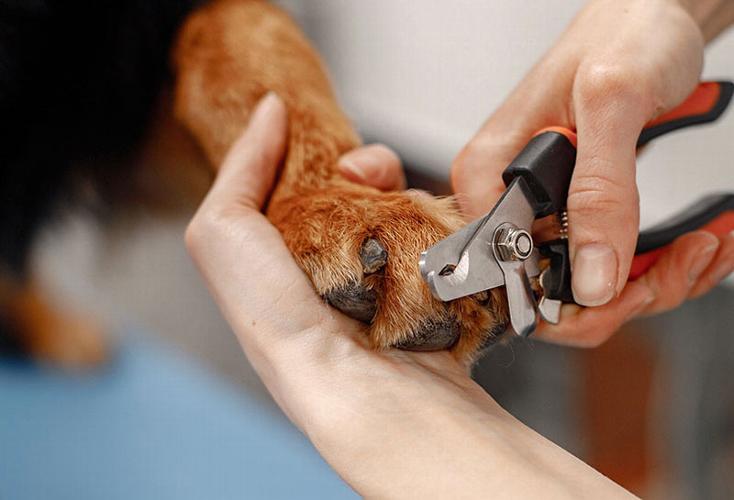
why should you leave dog nail clipping to the professionals
Dog Nail Clipping
Why It Matters More Than You Think
Nail trimming is commonly overlooked when thinking of dog grooming, yet it's one of the most important for your dog's comfort and long-term health.
Many owners aren't sure how often nails should be trimmed, what's involved in the process, or what can happen if they're left too long. Here's everything you need to know.
What Is Dog Nail Clipping And Can It Hurt?
Dog nail clipping is the careful trimming of your dog's nails to a healthy, comfortable length.
Each nail contains a sensitive inner structure called the “quick”, which contains blood vessels and nerves. Because of this, nail trimming must be done with precision and care. Cutting too short can cause discomfort and bleeding, while not cutting enough means the nail continues to overgrow.
Every dog has slightly different nails, this can be in colour, length, thickness, brittleness, or quick length and this can vary on each paw, so it is important to assess each nail individually.
Professional nail trimming involves:
- Assessing the length and condition of each nail
- Identifying the position of the quick
- Trimming gradually and safely with correct tools
- Smoothing rough edges where necessary
- Checking the pads and between the toes
At The Barking Barbers, nail clipping appointments also include a quick visual check of the paws to ensure there are no signs of soreness, cuts, or irritation.
What Happens If Dogs' Nails Aren't Maintained?
Overgrown nails are not just a cosmetic issue or a nuisance when they tip tap around after you, they can cause genuine discomfort and health problems.
When nails become too long:
- They can alter the way your dog walks
- Pressure is placed on the toes and joints
- The quick grows longer over time
- Nails are more likely to split or break
- They may catch on flooring or furniture
- Can cause cuts but scratching themselves or you
In severe cases, long nails can curl into the paw pad, leading to pain and infection.
Even slightly overgrown nails can affect posture and movement. Over time, this can place unnecessary strain on joints, particularly in older dogs.
Regular maintenance prevents these problems before they start.
The Benefits of Regular Nail Trimming
Keeping your dog's nails short and well-maintained offers several benefits:
Improved Comfort
Your dog can walk and stand naturally without pressure on their toes.
Healthier Joint Alignment
Correct nail length supports proper posture and reduces long-term strain.
Reduced Risk of Injury
Short nails are less likely to split, crack, or catch.
Reduced scratching and noise
Nails are designed for digging and grip so will always be a little scratchy but keeping them short and rounded will make a big difference – as well as stop the tip tapping around the house.
Easier Maintenance Over Time
Frequent trimming helps the quick gradually recede, resulting in shorter nails over time.
For most dogs, nail trimming is needed every 3–6 weeks, depending on their activity levels, size and weight, and the surfaces they walk on. If you want to recede the quick (blood vessel) and achieve a shorter nail overtime they will need to be clipped every 1-3 weeks.
Dog Nail Trimming With A Professional
Nail trimming is included within our main services – full and mini grooms. We also offer them as standalone appointments.
Risks of Cutting your Dogs Nails yourself
Many owners feel nervous about trimming nails at home and that's completely understandable.
Dark nails can make it difficult to see the quick, and anxious dogs may pull away unexpectedly. A professional groomer has the correct equipment, time, and is trained to handle correctly, position the dog safely, and trim nails confidently without rushing.
At The Barking Barbers, our team are fully qualified, experienced, and pet first-aid trained.
We work at your dog's pace, and their comfort is always our priority. For dogs who are unsure about paw handling, we have multiple groomers who can help and take a gentle positive approach. We can also work with you and advise on building positive associations at home between visits.